
Check Engine Light & Auto Diagnostics in Fort Worth, TX
A check engine light can mean anything from a loose gas cap to a serious engine problem — and guessing isn't a strategy that saves you money. Payless Transmissions & Auto Repair provides accurate check engine light diagnostics in Fort Worth, TX, using professional scan tools to pinpoint the exact cause before recommending any repair.
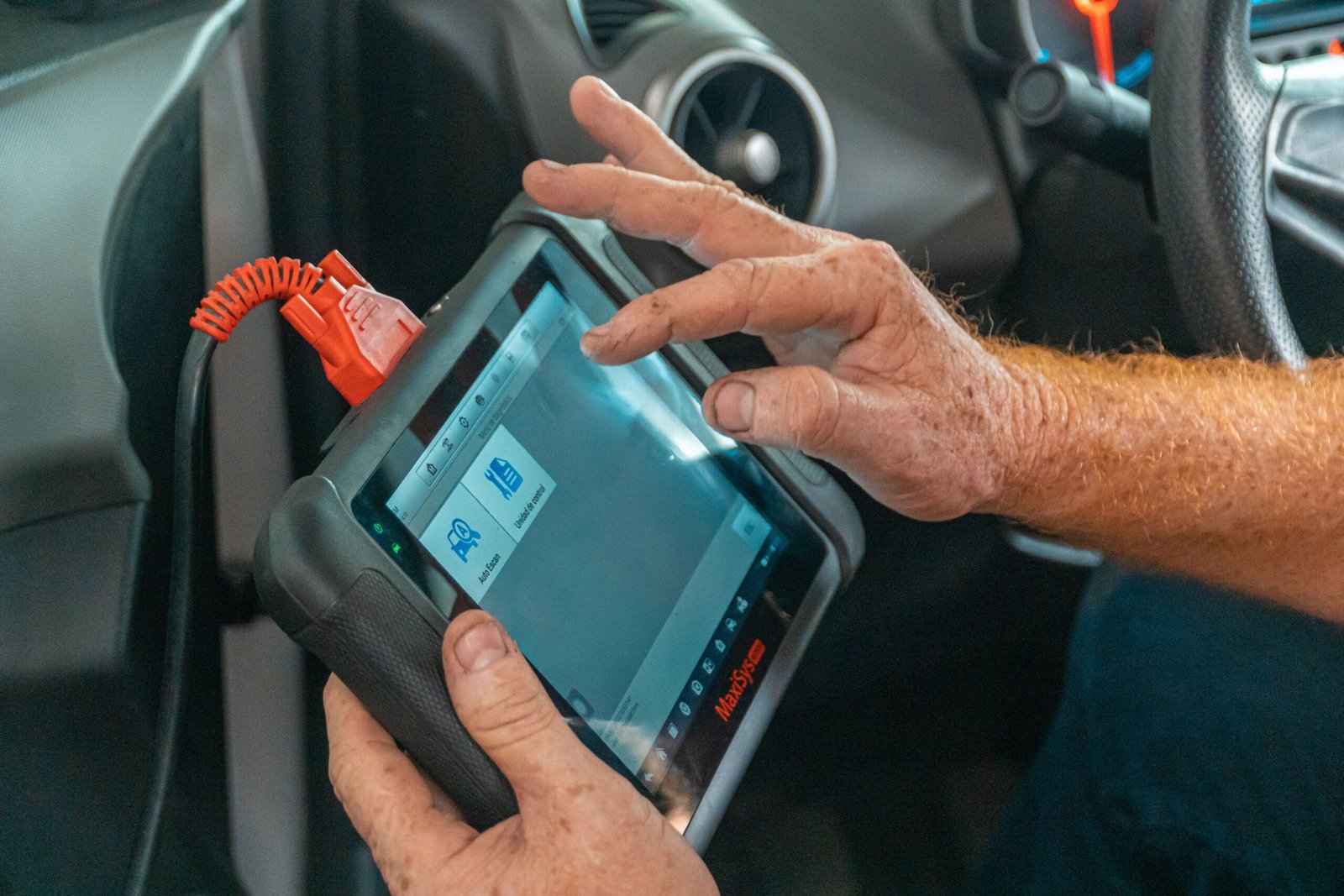
How Diagnostic Scanning Actually Works
Your vehicle's engine control module (ECM) continuously monitors dozens of sensors — oxygen sensors, mass airflow sensors, coolant temperature sensors, crankshaft and camshaft position sensors, and more. When a reading falls outside expected parameters, the ECM stores a Diagnostic Trouble Code (DTC) and illuminates the check engine light. These codes follow a standardized format (P0XXX for powertrain-generic codes, for example), but the code itself only points to a system or component — it doesn't always name the exact failed part. A P0420 code, for instance, technically reads "catalyst system efficiency below threshold," but the root cause could be the catalytic converter itself, a failing oxygen sensor, or even an exhaust leak upstream. This is exactly why code interpretation paired with physical inspection matters more than just reading a code and guessing.
When to Get a Diagnostic
- The check engine light is on, steady or flashing
- Your vehicle is running rough, hesitating, or stalling
- You're experiencing reduced fuel economy with no clear cause
- Unusual noises, smells, or vibrations you can't explain
- A "service engine soon" or other warning light is on
- You're buying a used vehicle and want a pre-purchase inspection
Important: a flashing check engine light signals an active engine misfire and should be treated as urgent — continued driving can send unburned fuel into the exhaust system and damage your catalytic converter, turning a moderate repair into a significantly more expensive one.
Our Diagnostic Process
Full Computer Scan
We connect to your vehicle's onboard diagnostic (OBD-II) system to pull any stored trouble codes, along with freeze-frame data showing the conditions present when the code was triggered.
Code Interpretation, Not Just Code Reading
A trouble code points to a system, not always the exact failed part. Our technicians interpret the code alongside a physical inspection — checking related wiring, connectors, and components — to identify the actual root cause, rather than clearing the code and hoping it doesn't return.
Clear Explanation, No Tech-Speak
We explain what the code means in plain language, what we found during inspection, and what your realistic options are, before any repair work begins.
Written Estimate
Once we know what's actually wrong, you get a written estimate — no surprises.
Common Check Engine Light Causes
Check engine lights can be triggered by dozens of different issues, but some of the most frequent include a loose or faulty gas cap (genuinely common and inexpensive to fix), a failing oxygen sensor, worn spark plugs or ignition coils, a deteriorating catalytic converter, or a mass airflow sensor reading incorrectly. The same illuminated light can represent a $20 fix or a much larger repair — which is exactly why a proper scan and inspection matters instead of assuming the worst (or the best).
Diagnostics as the First Step for Bigger Repairs
Diagnostics aren't only for the check engine light. If you're noticing symptoms like slipping gears or rough shifting, a diagnostic scan is often the appropriate first step before committing to a transmission rebuild. Similarly, if your engine is running rough or losing power, a diagnostic helps determine whether you're looking at a simple sensor fix or a more involved engine repair.
Why Modern Vehicles Need Professional-Grade Scan Tools
Every vehicle sold in the U.S. since 1996 uses the standardized OBD-II diagnostic system, but that standardization only covers the basic connector and generic code set — it doesn't mean every scan tool reads every system equally well. Manufacturer-specific systems (transmission control modules, ABS modules, airbag systems, and body control modules) often require more advanced bidirectional scan tools to read enhanced codes and, in some cases, to actively test components rather than just report stored codes. A basic code reader might tell you a code exists; a proper diagnostic tells you what's actually happening in real time. That's the level of equipment and interpretation we bring to every diagnostic visit.
Serving Fort Worth and the Surrounding Area
We offer engine diagnostics near Fort Worth, including Arlington, Haltom City, White Settlement, Benbrook, Crowley, Burleson, and River Oaks.
Frequently Asked Questions
How much does a diagnostic cost?
Diagnostic pricing depends on the complexity of the issue. Call (817) 782-9887 for current pricing.
What does it mean if my check engine light is flashing?
A flashing light indicates an active engine misfire, which can damage your catalytic converter if you keep driving. Have it looked at as soon as possible.
Can a loose gas cap really trigger the check engine light?
Yes — it's one of the most common and least expensive causes, and we check it first before assuming something more serious.
How long does a diagnostic take?
Most diagnostic scans and inspections can be completed within an hour, though complex issues may take longer to fully pinpoint.
Will you tell me the cost before doing any repairs?
Always — you'll get a clear explanation and a written estimate before any repair work begins.
Do you offer pre-purchase inspections?
Yes — if you're considering a used vehicle, a diagnostic and inspection can help you understand its condition before you buy.
Check Engine Light On?
Don't drive around wondering what it means. Call (817) 782-9887, or request a free quote online. If the scan points to something bigger, we can move straight into engine repair or transmission service.
Call (817) 782-9887