
Brake Repair in Fort Worth, TX
Squealing when you brake, a grinding noise, or a soft, spongy pedal are warning signs that shouldn't wait. Payless Transmissions & Auto Repair provides thorough brake repair in Fort Worth, TX, inspecting your entire brake system and repairing exactly what's needed — not just swapping the most obvious part and hoping the noise goes away.
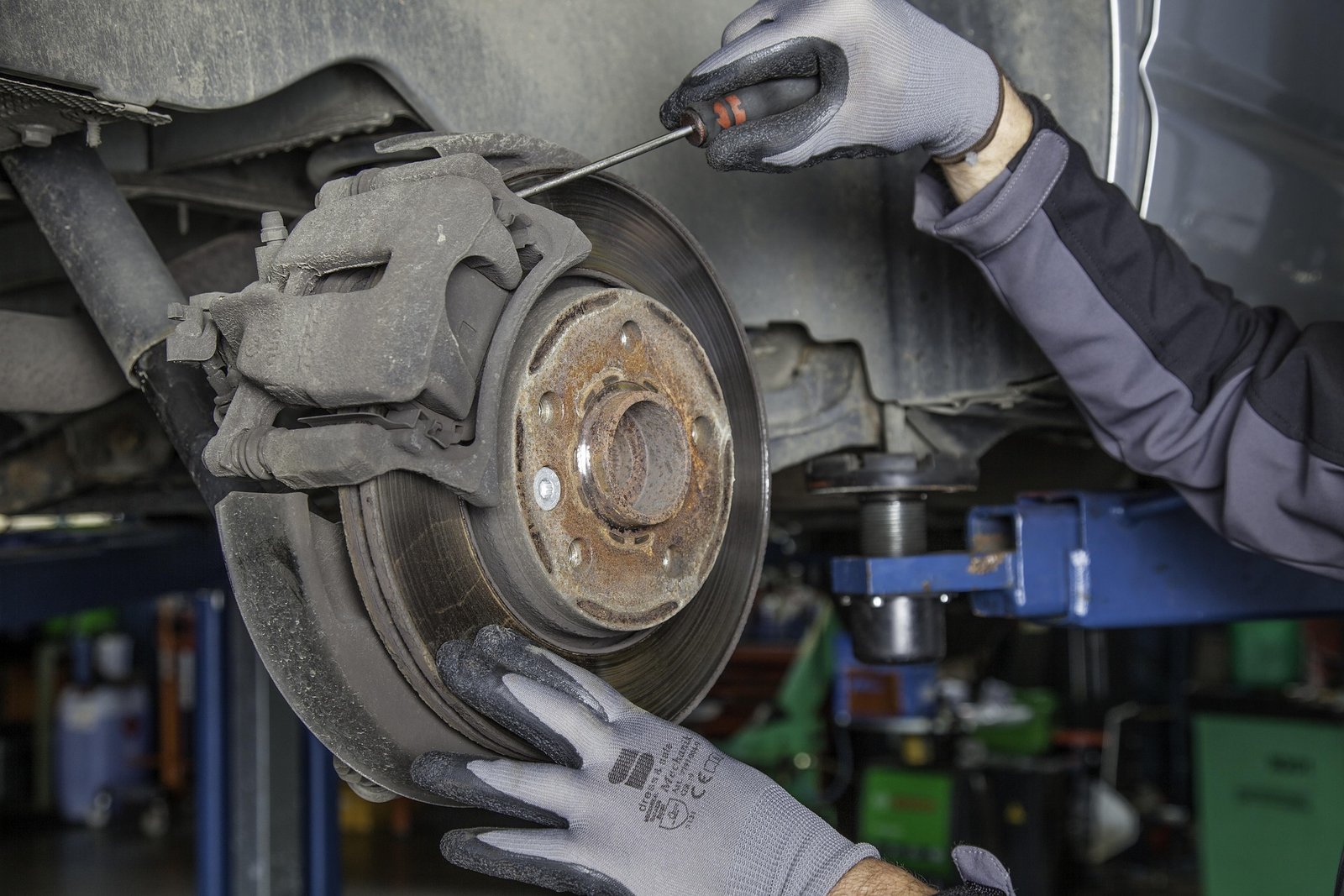
How Your Brake System Actually Works
Every time you press the pedal, brake fluid is pressurized through the master cylinder and pushed through brake lines to the calipers (or wheel cylinders on rear drum setups), which clamp brake pads against the rotors to create friction and slow the vehicle. This is a hydraulic system, which means it depends on fluid that hasn't absorbed excess moisture (moisture lowers the fluid's boiling point, which can cause a spongy pedal or brake fade under hard use), pads with adequate friction material remaining, and rotors that are flat and true rather than warped.
Understanding this matters for diagnosis: a "brake problem" could originate in the pads, the rotors, the calipers (which can stick if the slide pins or seals fail), the fluid, or the brake lines themselves. Squealing, grinding, and pulsing are actually distinct symptoms pointing to different root causes — which is why a proper inspection matters more than guessing based on noise alone.
Signs You Need Brake Repair
- Squealing or squeaking when braking — often a built-in wear indicator tab on your pads doing exactly its job: warning you before metal-to-metal contact
- Grinding noise, which usually means pads are worn past the safe point and the backing plate is contacting the rotor directly
- A soft, spongy, or sinking brake pedal — often pointing to air or moisture in the brake fluid, or a caliper/line issue
- The vehicle pulls to one side when braking (frequently a stuck caliper or uneven pad wear)
- Vibration or pulsing through the pedal or steering wheel when stopping — classically a sign of warped or unevenly worn rotors
- The brake warning light on your dashboard
- Longer stopping distances than usual
Our Brake Repair Services
Brake Pad Replacement
The most common brake service — we replace worn pads with quality parts matched to your vehicle's specifications and driving demands.
Rotor Replacement or Resurfacing
Worn or warped rotors cause pulsing and reduce braking performance. Depending on remaining thickness (rotors have a minimum safe thickness spec), we'll either resurface or replace them.
Brake Fluid Service
Brake fluid absorbs moisture over time (it's hygroscopic by nature), which can lower its boiling point and cause internal corrosion in calipers and the master cylinder. We check fluid condition and color as part of every brake inspection.
Full Brake System Inspection
Beyond pads and rotors, we check calipers for sticking or seized slide pins, brake lines for corrosion or damage, and the parking brake system — a full system check, not just the parts that are easiest to reach.
Pads vs. Rotors: What's Actually Wrong?
A lot of drivers assume every brake noise means new pads, but that's not always accurate. Squealing is often just a wear indicator doing its job — a heads-up before things get worse, not necessarily an emergency yet. Grinding usually means the pads are already gone and metal is contacting metal, which typically means the rotors need attention too since they've likely been damaged by that contact. Pulsing in the pedal or steering wheel typically points to warped rotors rather than the pads themselves. We diagnose the actual cause before quoting a repair, so you're not paying for parts that don't need replacing.
How Often Should Brakes Be Serviced?
Brake pad life varies significantly based on driving habits and vehicle type — anywhere from roughly 25,000 to 70,000 miles. Stop-and-go city driving (common in Fort Worth traffic) wears pads faster than steady highway driving. Rather than guessing based on mileage alone, we recommend an inspection any time you notice unusual noise, pulling, or pedal feel changes.
Serving Fort Worth and the Surrounding Area
We offer brake repair near Fort Worth, including Arlington, Haltom City, White Settlement, Benbrook, Crowley, Burleson, and River Oaks, with same-week appointments.
Frequently Asked Questions
How much does brake repair cost in Fort Worth?
Cost depends on whether you need pads only, or pads and rotors, plus your vehicle type. Call (817) 782-9887 for a quote.
How do I know if it's my brake pads or rotors?
Squealing usually points to pad wear, while pulsing or vibration when braking often means the rotors are warped.
Is it safe to drive with grinding brakes?
No — grinding means your pads are worn through and metal is contacting your rotors, causing more expensive damage and reducing stopping ability.
How long does brake pad replacement take?
Most brake pad replacements can be completed same-day.
How often should I get my brakes checked?
We recommend an inspection any time you notice noise, pulling, or pedal changes, and at minimum once a year.
Do you service both front and rear brakes?
Yes, including pads, rotors, calipers, and brake lines on both.
Don't Wait on Brake Noise
Brake problems only get more expensive the longer they're ignored. Call (817) 782-9887, or schedule a suspension inspection at the same time. Request a free quote.
Call (817) 782-9887