
Suspension Repair in Fort Worth, TX
If your ride has gotten bouncy, your car pulls to one side, or you're hearing clunks over every bump and pothole, your suspension system is past due for attention. Payless Transmissions & Auto Repair provides suspension repair in Fort Worth, TX, restoring a smooth, controlled ride while protecting your tires and brakes from the accelerated wear a failing suspension system causes.
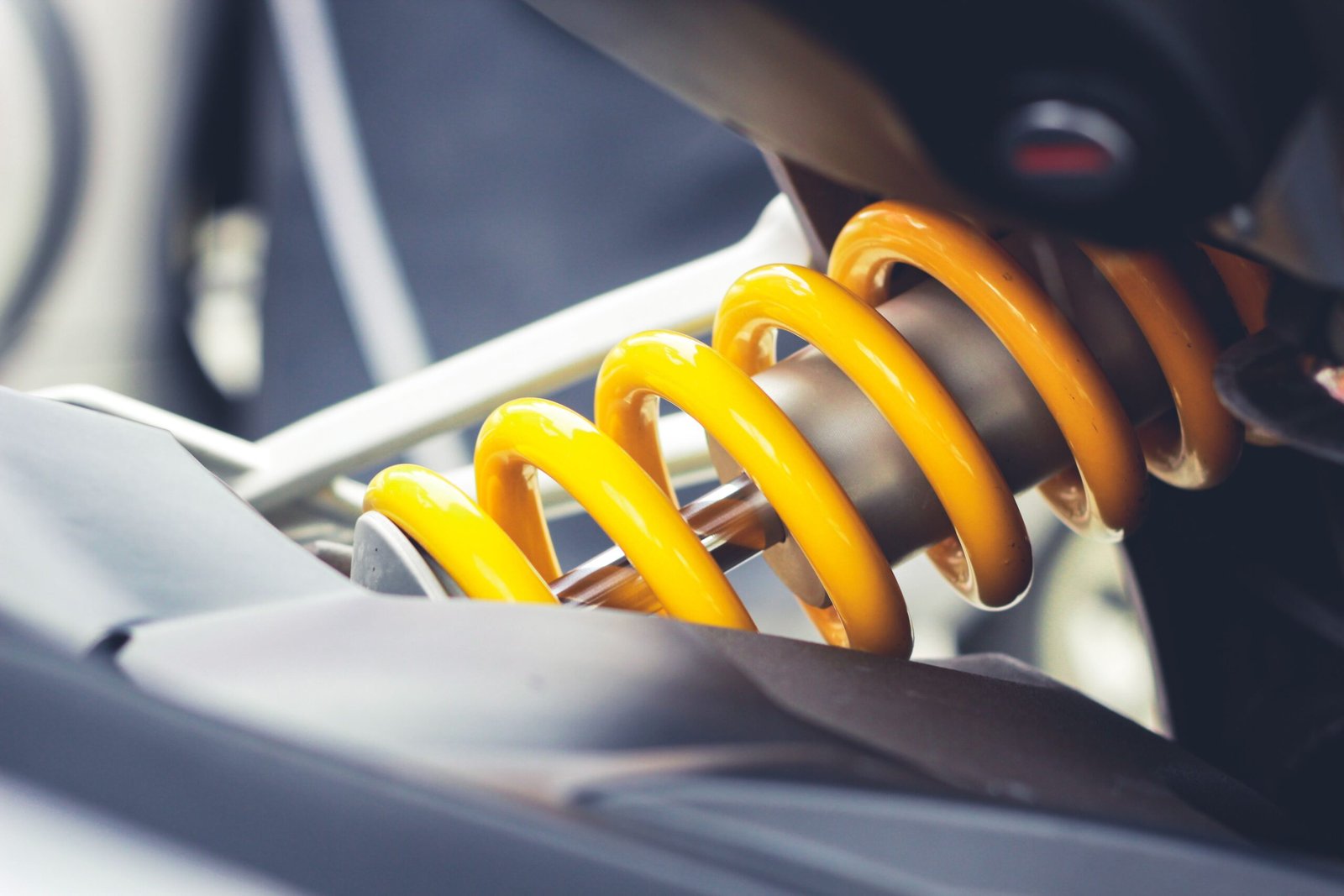
What Your Suspension System Actually Does
Your suspension isn't just about comfort — it's a control system. Struts and shocks manage how your tires respond to changes in the road surface, keeping consistent tire contact with the pavement. That contact directly affects braking distance, cornering stability, and how predictably your vehicle handles in an emergency maneuver. A modern suspension system typically includes struts or shocks, springs, control arms, bushings, sway bar links, and ball joints — all working together to isolate the cabin from road impact while keeping the tires planted.
When any of these components wear out, the system's ability to control weight transfer during braking, acceleration, and cornering degrades — which is why a "soft" or "floaty" ride isn't just uncomfortable, it's a genuine handling and safety issue.
Signs You Need Suspension Repair
- A bouncy, floaty ride, especially over bumps or uneven pavement — a vehicle in good suspension health should settle after one bounce, not continue bouncing
- The vehicle pulls or drifts to one side while driving straight on a level road
- Clunking, knocking, or squeaking noises over bumps (often worn bushings or ball joints)
- Uneven or "cupped" tire wear patterns
- The vehicle "nose dives" when braking or leans heavily through turns
- Visible fluid leaking from the shock or strut body — a sign the internal seal has failed and the unit has lost its damping ability
Our Suspension Repair Services
Full Suspension Inspection
We check struts, shocks, control arms, bushings, ball joints, and sway bar links to pinpoint the actual source of the ride issue — not just swap parts and hope.
Strut and Shock Replacement
Worn struts and shocks are the most common suspension repair. Replacing them restores damping control, reduces body roll in turns, and smooths the ride noticeably.
Component-Level Repairs
Beyond struts and shocks, suspension problems often trace back to worn bushings (which allow unwanted movement in the suspension geometry), failing ball joints (a safety-critical wear item), or control arms. We diagnose the actual source rather than defaulting to the most expensive repair.
Alignment Referral
Suspension work often goes hand-in-hand with a wheel alignment, since replacing components changes ride height and geometry slightly. We'll flag if an alignment is needed to protect your new parts and even out tire wear.
How a Failing Suspension Accelerates Wear Elsewhere
A neglected suspension system doesn't stay contained to ride comfort — it accelerates wear on your tires (through uneven contact patches) and puts additional stress on your brake system during stops, since a bouncing vehicle transfers weight unpredictably under braking. Addressing suspension issues early protects the rest of your vehicle's systems and often saves money on tire replacement down the line.
What to Expect During Your Visit
We start with a road test and full visual/physical inspection (including checking for play in ball joints and bushings by hand) to identify exactly what's worn. We walk you through what we find, explain what's genuinely necessary versus what can reasonably wait, and provide a clear, written quote before any work begins.
What Affects Suspension Repair Cost
Suspension repair pricing varies more than people expect, largely because "suspension" covers a wide range of individual components, each with a different price point and labor time. A single strut or shock replacement is generally the most affordable repair in this category, while multiple worn bushings or a full set of control arms takes more labor and parts cost. Vehicle type matters too — trucks and SUVs generally use heavier-duty (and pricier) suspension components than sedans, given the added weight and towing/hauling demands they're built for. We break down exactly which components are worn during your inspection so you know what you're paying for and why, rather than a vague lump-sum estimate.
Serving Fort Worth and the Surrounding Area
We proudly offer suspension repair near Fort Worth, including Arlington, Benbrook, Crowley, Burleson, White Settlement, Haltom City, and River Oaks.
Frequently Asked Questions
How do I know if I need new shocks or struts?
Common signs include a bouncy ride, nose-diving when braking, clunking over bumps, and uneven tire wear.
How much does suspension repair cost?
Cost depends on which components need replacement and your vehicle type. Call (817) 782-9887 for an estimate after inspection.
Can I drive with a bad suspension?
Not recommended for long — worn components reduce control and increase stopping distance, which is a real safety risk.
Do I need an alignment after suspension repair?
Often, yes — replacing suspension components can affect alignment and tire wear.
How long does suspension repair take?
Most repairs can be completed same-day or next-day depending on parts availability.
What's the difference between shocks and struts?
Struts are structural and support part of the vehicle's weight while also controlling bounce; shocks primarily control bounce without bearing structural load. Not every vehicle has both.
Feeling Every Pothole?
Don't let a rough ride turn into a bigger repair. Call (817) 782-9887, or pair it with a brake inspection. Get a free quote.
Call (817) 782-9887